Al Dhafra Grade 4 English Blog
Saturday, 8 April 2017
Welcome to Al Dhafra Grade 4 Blog
What is a fable?
Think of some adjectives about....
The Fox and the Stork
Sunday, 5 March 2017
Welcome to AL Dhafra Grade 4 English - Introduction to fables
Welcome to Al Dhafra Grade 4 English
Starters
Spot the differences!
What is a fable?
The Hare and the Tortoise
How to draw a tortoise
Write four adjectives for the tortoise.
How to draw a hare
Write four adjectives for the hare
Friday, 3 March 2017
Welcome to Al Dhafra Grade 4 Blog! Test Revision
Welcome to Al Dhafra Grade 4 Blog!
Ture Sure Words With Meaning
by
Safia Haroon Rasheed
on Scribd
Ture Sure Words Woksheet1
by
Safia Haroon Rasheed
on Scribd
Long and Short Vowel Words
by
Safia Haroon Rasheed
on Scribd
Adding Adverbials to Sentences Worksheet1
by
Safia Haroon Rasheed
on Scribd
More resources to follow!
Tuesday, 7 February 2017
Welcome to Al Dhafra Grade 4 English Blog - Poetry Unit
Welcome to Al Dhafra Grade 4 Blog!
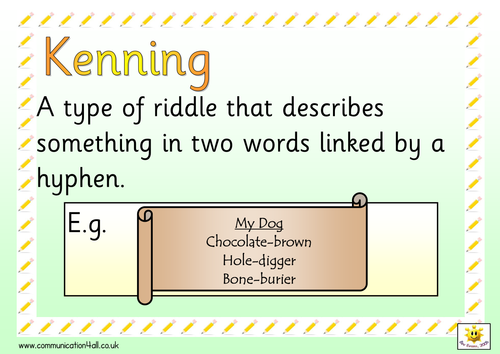
How do I write a kenning?
,,,,,
Sunday, 22 January 2017
Welcome to Al Dhafra Grade 4 English Blog - Poetry Unit
Starter
Look at this picture. What can you see? Make a list...
The Sound Collector
Sunday, 15 January 2017
Welcome to Al Dhafra Grade 4 English Blog - Poetry Unit
What is onomatopoeia?
Poetry Recitation
Sunday, 13 November 2016
Welcome to Al Dhafra Grade 4 English - Direct Speech Punctuation
Direct Speech Punctuation
by
Safia Haroon Rasheed
on Scribd
Rules of Direct Speech
1.
Speech marks (“ ”) are use to show what is spoken aloud by a character.
E.g. “Hello. How are you?” said Abdulla.
2.
You start the speech marks before the first word spoken.
E.g. He walked at and said, “Good to see you.”
3.
You close the speech marks after the last word they speak not at the end of each sentence.
E.g. “Would you like something to drink?” Ahmed asked.
4.
When someone new speaks you must start a new line.
E.g. “Thank you. Do you have any cola?” Hamdan requested.
“Of course,” Nayef answered.
5.
The first word of a new piece of speech must have a capital letter.
E.g. Mohammed smiled and said, “Perfect!”
6.
The same rules of punctuation must be used in speech such as commas and question marks.
E.g.
“Do you want ice?” he continued.
7.
You must always use punctuation to separate what is being spoken and the rest of the writing.
E.g. “No ice thank you,” Sultan concluded.
Direct Speech Quiz1
Speech Marks Practice Quiz 2
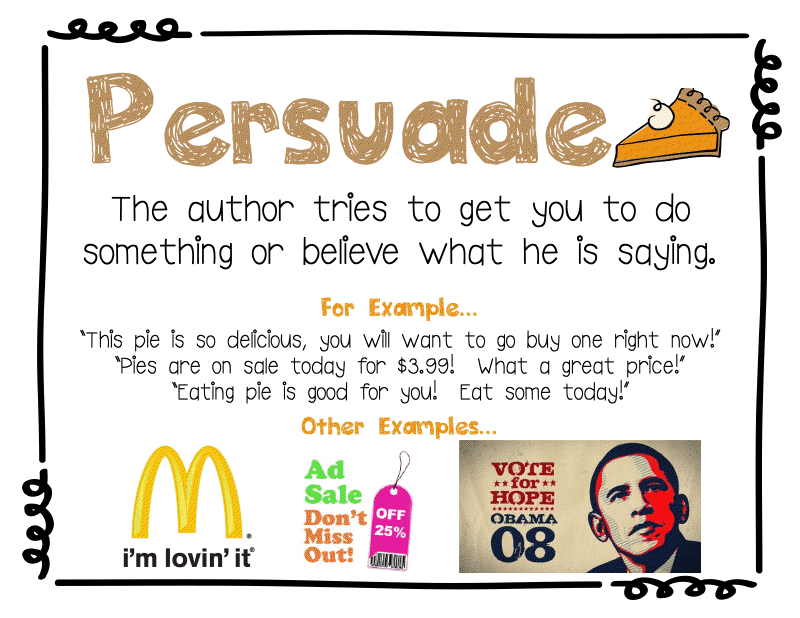
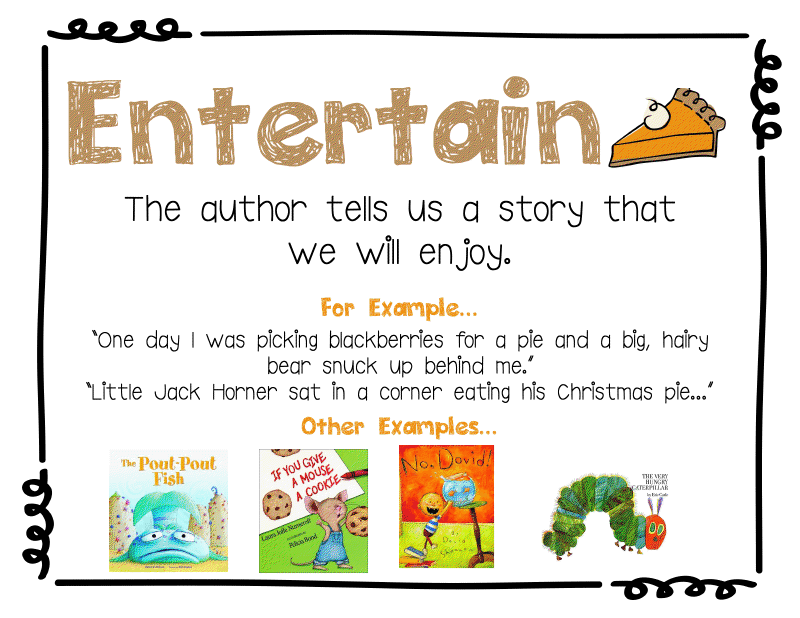
Click here to play 'Author's Purpose Online Game'
Newer Posts
Older Posts
Home
Subscribe to:
Posts (Atom)